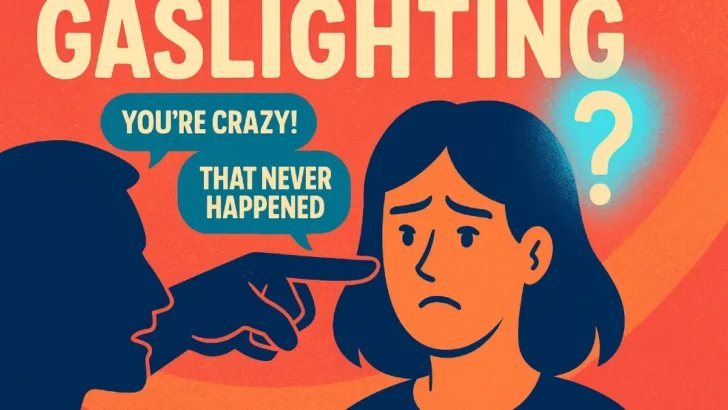
Gaslighting is more than just a trendy word it’s a serious form of emotional abuse and psychological manipulation. It happens when someone deliberately makes another person doubt their own memories, perceptions, or sanity. Over time, this can cause deep confusion, self-doubt, and even make the victim feel like they’re “going crazy.”
What Does Gaslighting Mean?
Gaslighting meaning is a manipulative tactic used to gain control over another person. The abuser creates a false reality, causing the victim to question what’s real and what’s not. It usually starts small a denied conversation, a twisted story and gradually becomes more extreme. The more the victim doubts themselves, the more power the gaslighter gains.
This can happen in romantic relationships, families, friendships, or even work environments. The goal is always the same: to undermine the victim’s confidence and sense of stability.
The Origin of the Term “Gaslighting”
The word gaslighting comes from a 1938 stage play (and later, a 1944 film) called Gas Light. In the story, a husband manipulates his wife into believing she’s losing her mind so he can steal her inheritance. He secretly dims the gas lamps in their home, then denies it when his wife notices, insisting she’s “imagining things.”
That’s where the term was born and it perfectly captures how gaslighting works.
Common Gaslighting Tactics
Gaslighters often use subtle yet powerful strategies to break down a victim’s confidence. Some common tactics include:
- Lying and Denying: Flat-out denying they said or did something, even when you have proof.
- Minimizing: Telling you that you’re “too sensitive” or “overreacting.”
- Blame-Shifting: Making you feel like you’re the problem.
- Withholding: Refusing to listen or pretending not to understand.
- Diverting: Changing the subject or questioning your memory.
- Isolating: Convincing others that you’re “crazy” so you feel alone.
Signs You Might Be a Victim of Gaslighting
Gaslighting can make you doubt your own reality. Here are some warning signs:
- You constantly second-guess yourself.
- You feel confused or like you can’t trust your own memory.
- You apologize frequently to the other person.
- You make excuses for their bad behavior.
- You feel like you’re walking on eggshells.
- You sense something is wrong but can’t explain it.
If these sound familiar, you might be experiencing gaslighting and it’s important to take it seriously.
How Gaslighting Works
Gaslighters use a gradual approach. They start small, then increase their manipulation over time. Common methods include:
- Denial and Contradiction: Refusing to acknowledge what really happened.
- Trivializing Feelings: Saying you’re “too emotional” or “imagining things.”
- Isolation: Turning others against you to make you feel dependent.
- False Empathy: Pretending to care about your “confusion” which they caused.
The ultimate goal is control. By making you question yourself, they make you easier to manipulate.
The Psychological Impact of Gaslighting
Long-term gaslighting can deeply affect your mental health, leading to:
- Anxiety and depression
- Low self-esteem
- PTSD or trauma responses
- Constant confusion or fear
- Emotional dependency on the abuser
Victims often lose trust in their own mind which is exactly what the gaslighter wants.
Real-Life Examples of Gaslighting
Here are a few common examples of gaslighting in action:
- Denial: “That never happened. You’re making things up.”
- Minimizing: “You’re too sensitive; it was just a joke.”
- Twisting Reality: “You’re the one who started it, not me.”
- False Generosity: Giving you a gift bought with your own money, then accusing you of being ungrateful.
- Social Manipulation: Telling others you’re unstable so no one believes you.
What to Do If You’re Being Gaslighted
- Recognize the behavior. Awareness is the first step toward freedom.
- Prioritize self-care. Take care of your emotional and physical well-being.
- Seek support. Talk to trusted friends, family, or a therapist.
- Document events. Keep a journal of what actually happens it helps you stay grounded.
- Set boundaries. Be firm about what behavior you won’t accept.
- Consider professional help. Therapy can help you rebuild confidence and learn to trust yourself again.
In severe cases, leaving the relationship may be the healthiest option.
Gaslighting vs. Manipulation: What’s the Difference?
While gaslighting is a form of manipulation, not all manipulation is gaslighting. Here’s how they differ:
| Aspect | Gaslighting | Manipulation |
|---|---|---|
| Definition | Emotional abuse that makes someone doubt their reality | Deceptive tactics used to influence someone |
| Goal | Gain control by making the victim question themselves | Influence or control someone for personal gain |
| Tactics | Denial, lying, trivializing, blame-shifting | Can include gaslighting, guilt-tripping, or coercion |
| Scope | Specific psychological abuse | Broader behavioral category |
| Example | “That never happened, you’re imagining it.” | Using guilt to make someone do a favor |
So, all gaslighting is manipulation, but not all manipulation is gaslighting.
Final Thoughts: Standing Up Against Gaslighting
Gaslighting can destroy confidence, relationships, and peace of mind but awareness is power. The more you understand the signs, the easier it becomes to spot manipulation and protect yourself.
If you or someone you know is being gaslighted, remember: you’re not crazy, you’re being manipulated. Trust your instincts, set firm boundaries, and reach out for help. Healing is possible and you deserve it.